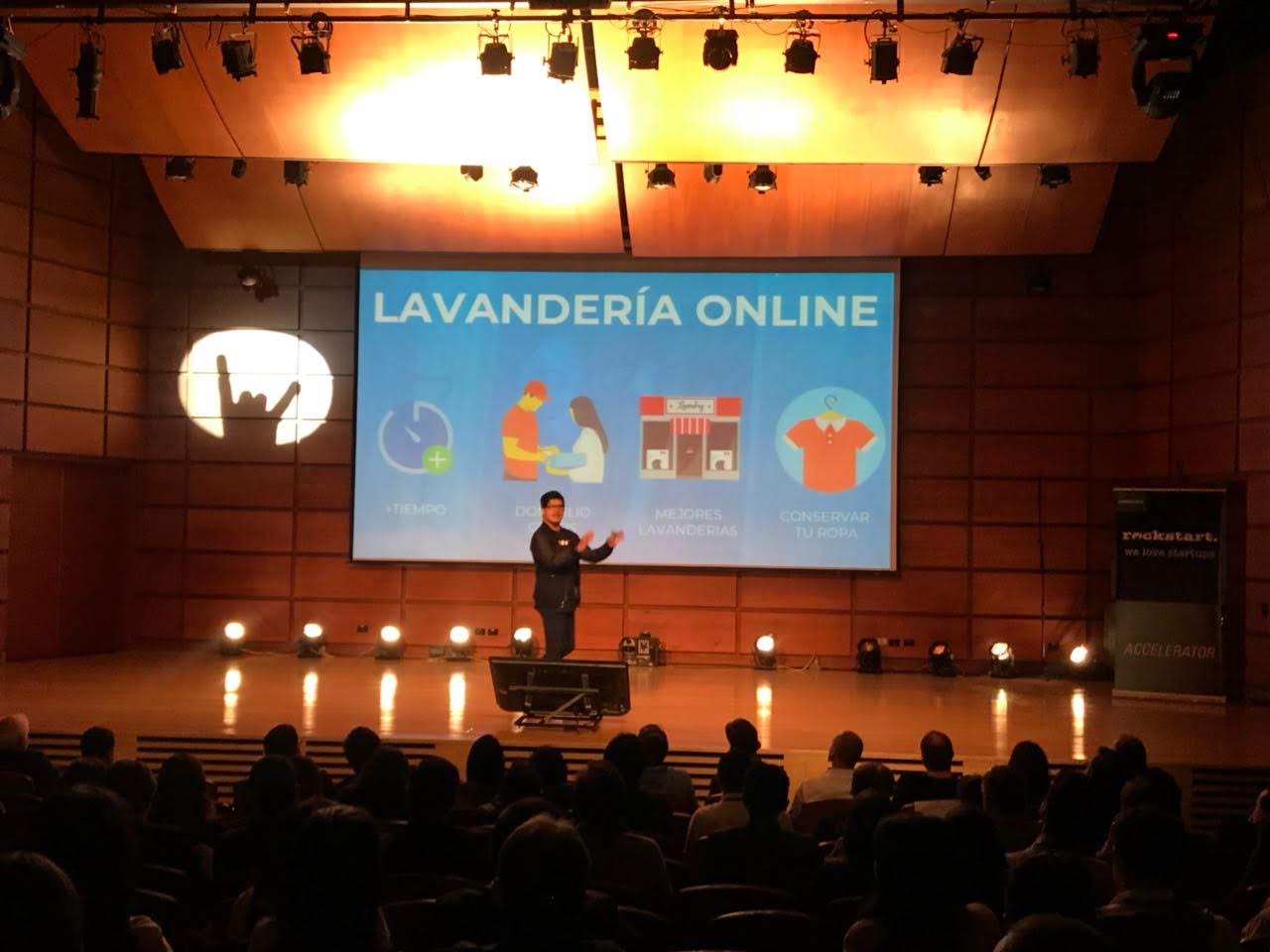
Lately I've been hearing a lot of pitches. Peruvian founders, some pitching in Spanish, some in English, almost all of them just getting started.
The startups were good. There's real talent here. But for a lot of them, the pitch didn't do the product justice. Lots of product, not much prep.
Afterwards I asked a few of them how much they'd practiced. One answer stuck with me:
"Since yesterday."
Not how long. When. Yesterday.
And it wasn't just any stage. Investors in the room, 2 minutes that can change your year. For a lot of the people there, it was the most important pitch they'd given so far.
And it's not about one founder. It happens to a lot of us, me included: we treat the pitch like paperwork. It isn't. It's a single bullet. You get 1 shot, 2 minutes, in front of people you may never see again.
You don't load that bullet the night before.
To be clear, I'm not telling this to trash anyone. I've been there too, starting out, with more drive than craft. I'm telling it because this one has a fix, and it's the cheapest one there is: practice.
It took me back to Colombia, 2017.
Rockstart was opening its first cohort in the country. 1,000 startups from all over the continent applied. They called in 25 for 3 days of tests. There were 10 spots.
Psych evaluation, interviews, a jury. They were watching us from every angle. And in the middle of all that, pitch day: a small theater packed with investors and mentors, and 2 minutes each.
My whole life was riding on those 2 minutes. So I practiced them for 2 weeks. Every single day.
While running, short of breath. In front of the mirror. In the bathroom. Anywhere. Back in school I used to recite poetry, so I did the only thing I knew how to do with a text that mattered: I learned it like a poem.
It wasn't technique. It was well-managed anxiety. Every rep took a little more room away from the fear.
We got in. And not just because of the pitch. I got there with the team I had back then: a small group, still in diapers, but all pushing in the same direction. Alone, I wouldn't have made it.
Memorizing works. Until someone asks a question.
To be clear, I'm not recommending you memorize. A memorized pitch breaks at the first question: it knocks you off the script and you can't find your way back.
But that day the format was pitch and nothing else. Questions came later. I knew what game I was playing, and for that game, a locked script.
You memorize the script. You master the business. If there are questions, the second one saves you. If there aren't, the first one makes you shine.
Neither one gets built the night before.
2 minutes isn't enough to say everything
That's where most people go wrong. They want to cram in the market, the team, the traction, the roadmap, the 10-year vision and the story of how the cofounders met. All in 2 minutes.
A pitch isn't meant to make people understand you. It's meant to make them want to.
Your only job is to win them over: grab attention, leave a question stuck in someone's head, get them to come find you afterwards and ask for your contact.
The pitch doesn't close the round. It buys you the next conversation.
Out of all of them, 2 sold me. One had a product so good it sold itself, it barely needed a pitch. The other was more serious, calmer, well structured. Neither one shouted. But both had something the rest were missing: conviction in every second.
That's fire in your eyes. It isn't volume, it isn't a show. It's making it obvious you'd die for this. And if you're pitching to people from abroad, who don't know you or your market, that's the first thing they look for.
If you don't do it, it's still yours
The pitch should be given by the founder and CEO. If for some reason they can't, delegate it. But do it with time, and stay behind it: reviewing, rehearsing with whoever's giving it, correcting.
Delegating the pitch isn't delegating the responsibility. If it goes badly, your pitch went badly.
And whoever goes on stage can't be there just because they're "a good talker." They have to be ready to defend it with everything: the deck, the answers, the face they make when someone asks something uncomfortable.
None of that can be improvised.
The pitch I practiced the most
It wasn't the pitch day one. It was Demo Day 2018, at the end of the program.
That pitch was already battle-tested. I'd been trying it out in real meetings, and one of them ended in equity-free money: a UK corporate, part of a global consumer goods giant.
With that in the bank, I no longer needed the round I was going to Demo Day to raise. And that changes everything. You don't go up there to ask. You go up there to show.
I still practiced it for weeks. Literally with a countdown: in the Rockstart office there was a counter hanging on the wall.
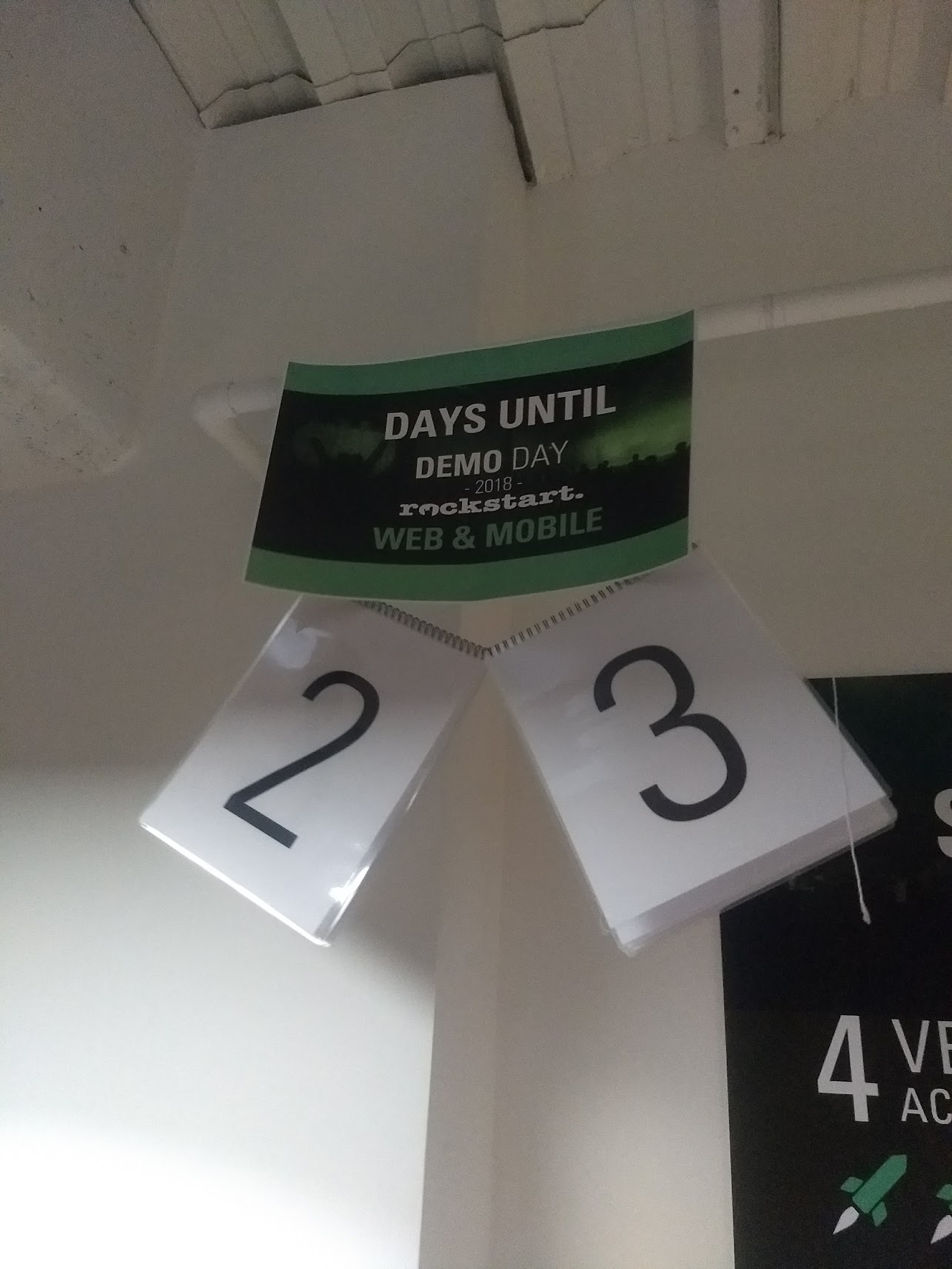
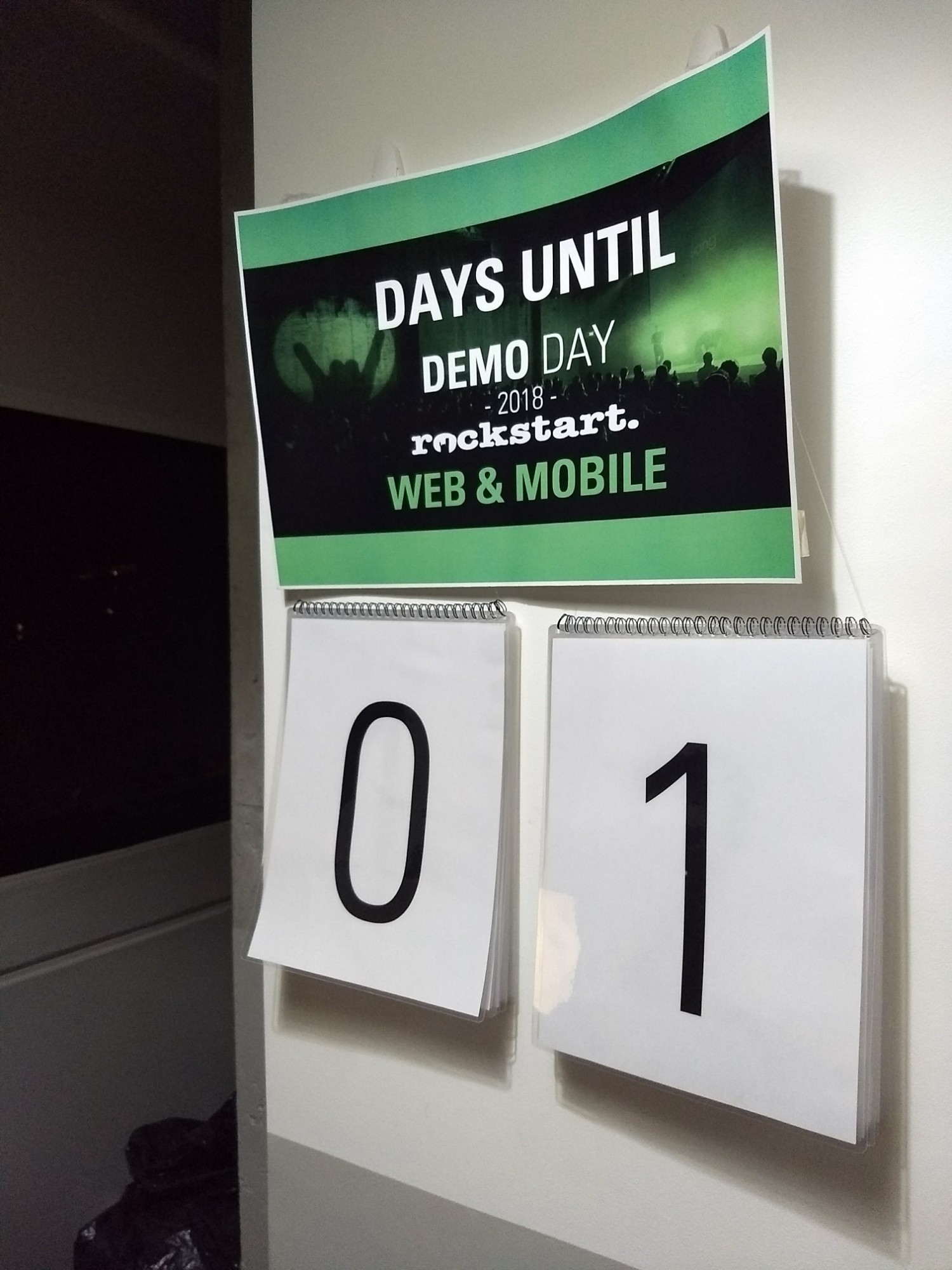
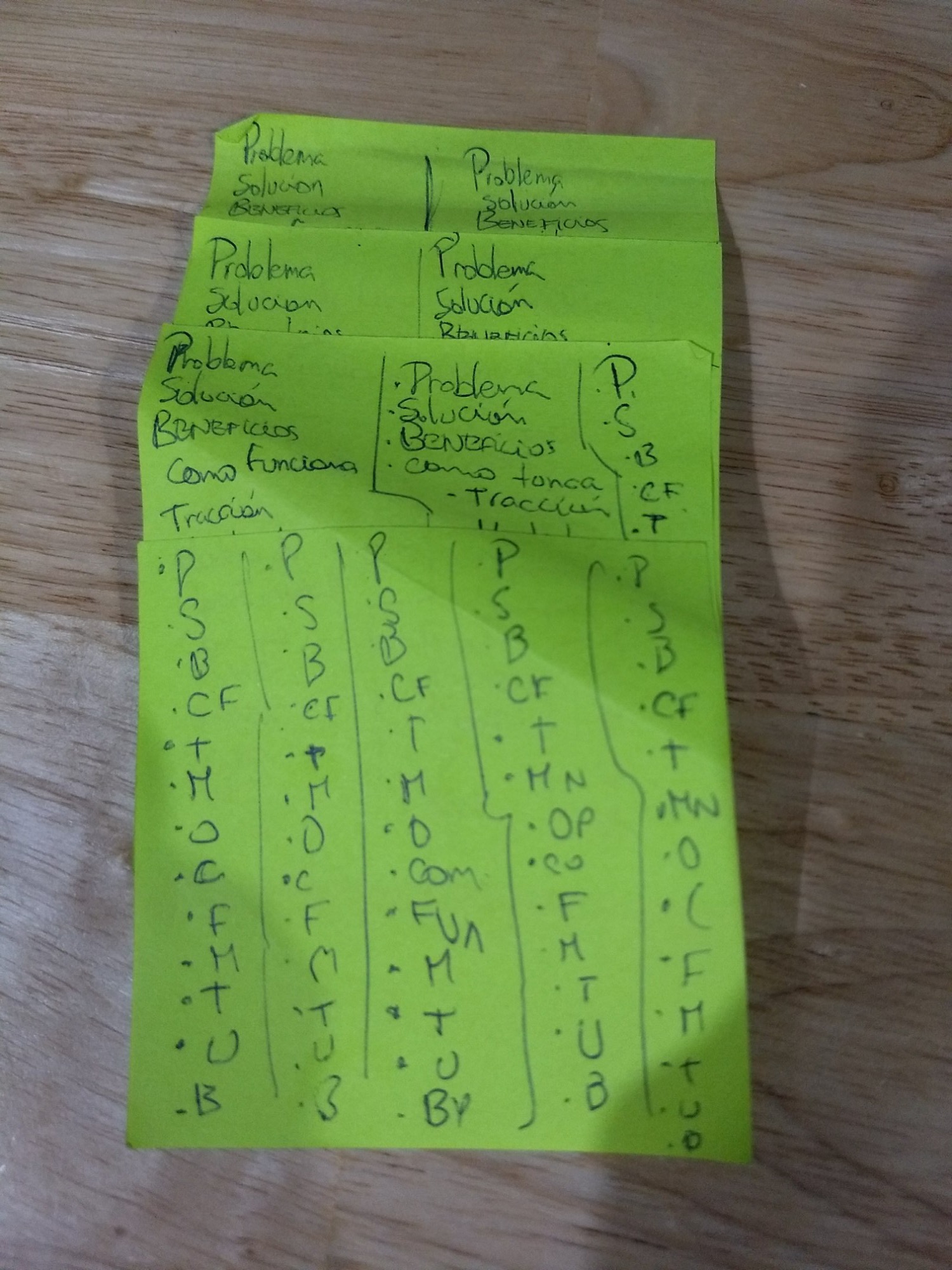
And with post-its. I didn't memorize every word. I memorized the order. I'd write it from memory over and over: problem, solution, benefits, how it works, traction. Then just the initials. In the end, a column of loose letters nobody else in the world could read. If I could get the order right without looking, there was no way I'd get lost.
I went to win on every front. To make the investors remember my name. And just in case, I invited the girl I liked to come watch.
I walked off with great feedback. And with contacts, other investors, conversations that kept going afterwards.
It bought the next conversation. Exactly what it was supposed to do.
And one more thing.
4 years later, I married her.
I'm not saying it was because of the pitch. But I'm not ruling it out either 😃
So next time you've got 2 minutes in front of a packed theater, ask yourself one question before you go up:
How much did you practice?
And if the answer is "yesterday," relax. You're still on time. Start today.