No startup was born successful. Here are 10 real stories of how companies like Airbnb, DoorDash and Instacart started out doing manual, unscalable things to validate their ideas and win.
Airbnb – Professional photos
The founders, Brian Chesky and Joe Gebbia, rented cameras and personally photographed properties in New York. That raised the visual quality of the listings and bookings took off.
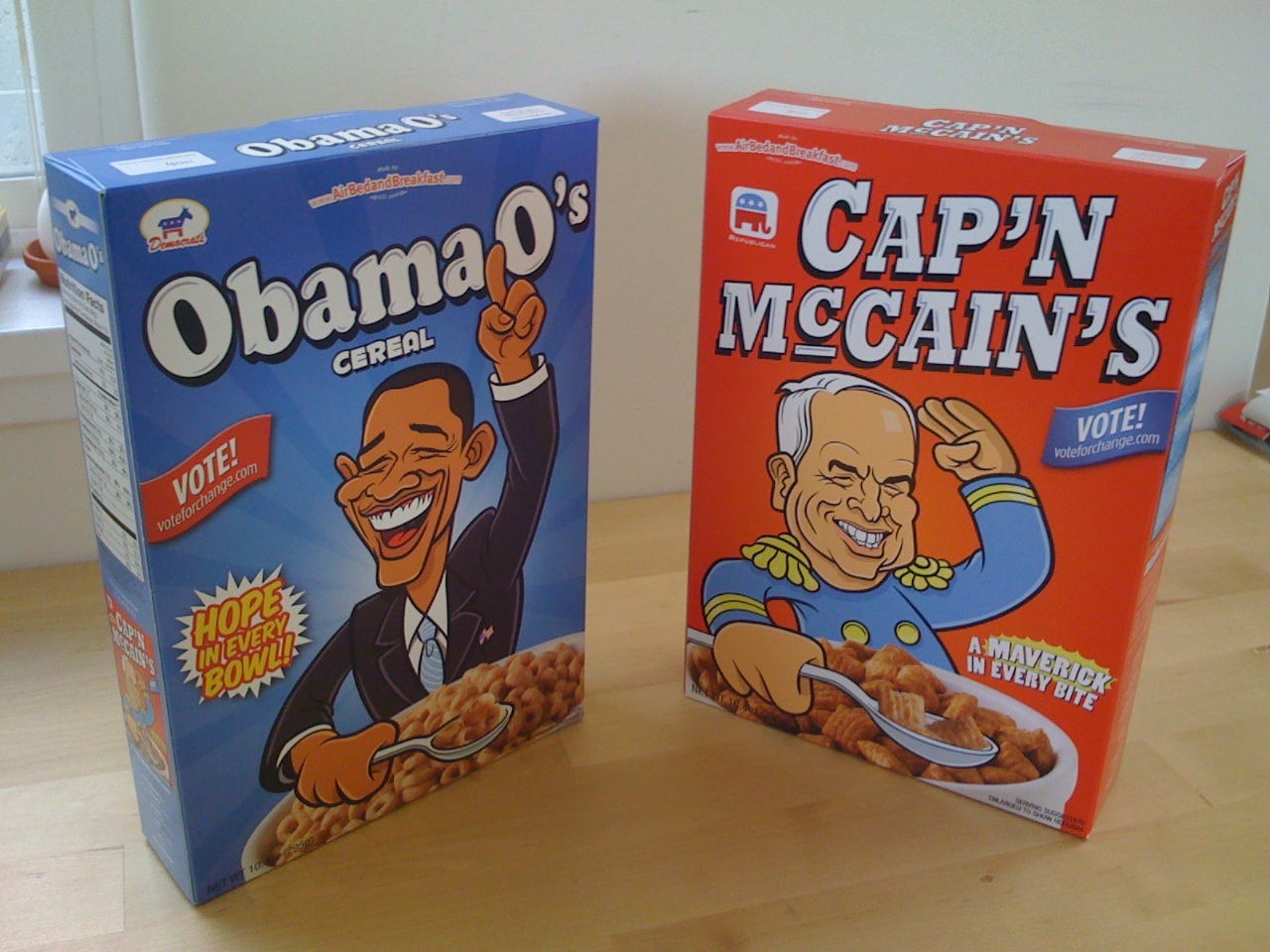
Airbnb – Cereal boxes
To raise money, they made "Obama O's" and "Cap'n McCain's", themed cereals for the 2008 election, and sold them for $40 a box. They raised $30,000, which helped them survive.
Rent the Runway – Dresses on campus
The founders brought racks of dresses to college campuses so students could try them on, collecting feedback and validating the idea of renting designer clothes.
DoorDash – Delivering it themselves
Tony Xu and his team started out delivering orders themselves, knocking on doors and getting feedback straight from customers to tweak the service.
Warby Parker – Frames from home
The founders shipped trial frames from their own homes to figure out which designs and prices customers preferred, tuning their business model.
Instacart – Shopping by hand
Apoorva Mehta did the shopping and delivery for the first orders himself, which let him spot problems in the process before building a system that could scale.
Zappos – Photos at local stores
Nick Swinmurn took photos of shoes at local stores and posted them online. When someone bought a pair, he went to the store, bought the shoes and shipped them to the customer, validating demand without any inventory.
Stitch Fix – Personal curation
Katrina Lake hand-picked clothes for her first customers from her living room, shipping them in boxes to validate a model built on personalized recommendations.
Lime – Plain old bikes
Before electric scooters, Lime tested its model with used bikes, placing them in small communities to see whether people would use them for short trips.
Glossier – Street testing
Before launching Glossier, Emily Weiss handed out makeup samples on the streets of New York, collecting direct feedback from users to adjust her products.
and one for free:
GetLavado – Websites for laundries during the pandemic
When the pandemic shut laundries down for months, I built custom white-label ecommerce platforms for big laundries in Spain, the US, Mexico and LatAm to survive. I got paid in dollars, kept payroll going and got to understand customers in other regions better. I discontinued the project later, but it helped keep us alive.
Doing things that don't scale doesn't just let you validate your business, it lets you understand your customers deeply. So if you're just starting out, stop worrying about perfection or scale and focus on connecting with your market in the most genuine way you can. The results will speak for themselves ;)
Want more stories like this?
Subscribe to my blog